
What I Wish I knew When I started Gardening

Starting a garden is exciting… and a little overwhelming. When I first picked up a trowel, I imagined lush borders, thriving veg patches, and Instagram-worthy blooms. The reality? A mix of triumphs, a few wilted plants, and plenty of lessons learned along the way.
If you’re just getting started, or even if you’ve been gardening for a while, here are some of the things I wish I’d known from day one.
1. You Don’t Need to Do Everything at Once
One of the biggest mistakes I made early on was trying to transform the entire garden in one go. It’s tempting, especially when inspiration strikes, but gardening is a marathon, not a sprint.
Start small:
- A few pots.
- A raised bed.
- A manageable border.
This gives you time to learn what works (and what doesn’t) without feeling overwhelmed. Plus, you’ll enjoy the process far more when you can actually keep on top of it.


2. Soil Matters More Than You Think
I used to focus entirely on the plants themselves, but healthy plants start with healthy soil.
Before planting anything, take time to:
- Understand your soil type (clay, sandy, loamy).
- Add organic matter like compost.
- Improve drainage if needed.
Good soil is the foundation of everything. Once you get that right, plants will reward you with stronger growth and fewer problems.
3. Watering Isn’t Just About “More is Better”
It’s easy to assume plants need constant watering, but overwatering can be just as damaging as underwatering.
What I’ve learnt:
- Water deeply, not little and often.
- Early morning or evening is best.
- Different plants have different needs.
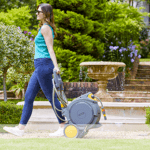
Investing in a good watering system or tool can make a huge difference, not just for your plants, but for saving time and effort, too.
To browse through Hozelock’s watering systems, click here.


4. Sunlight is Everything
I underestimated just how much sunlight affects plant success. A plant label might say “full sun,” but what does that actually mean for your garden?
Take time to observe:
- Which areas get full sun (6+ hours).
- Which areas stay shaded.
- How light shifts throughout the day.
Placing the right plant in the right spot is one of the simplest ways to guarantee success.
5. You Will Lose Plants, and That’s Okay
This one’s important. Not every plant will survive, and that doesn’t mean you’ve failed.
Gardening involves:
- Trial and error.
- Changing weather conditions.
- Learning as you go.
Every lost plant teaches you something valuable. Over time, you’ll naturally get better at choosing and caring for the right varieties.


6. Read the Labels (They’re There for a Reason!)
I used to ignore plant labels… and then wonder why things didn’t thrive.
Now I know they’re packed with useful information:
- Spacing requirements.
- Watering needs.
- Sun preferences.
- Growth size.
A little attention at the start can save a lot of effort later.
7. Maintenance is Key
A garden doesn’t just “look after itself” (unfortunately!). Regular, light maintenance is much easier than tackling everything at once.
Try to stay on top of:
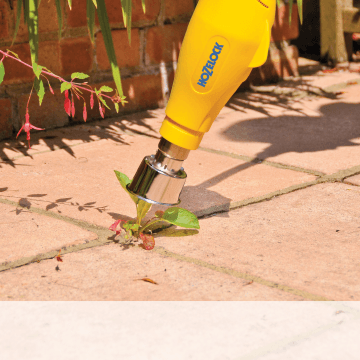
- Weeding.
- Deadheading flowers.
- Pruning where needed.
Even 10–15 minutes a few times a week can keep your garden looking its best.


8. Choose Plants for Your Lifestyle
I once chose plants purely based on how they looked, not how much care they needed.
Now I think about:
- How much time I realistically have.
- How often I’ll remember to water.
- If I want low-maintenance or high-impact.
There’s no right or wrong, just what works for you.
9. Gardening is Incredibly Rewarding
Despite the learning curve, gardening has a way of pulling you in. There’s something incredibly satisfying about seeing something grow because of your care and effort.
It’s not about perfection, it’s about:
- Enjoying the outdoors.
- Learning new skills.
- Celebrating small wins (like your first flower or harvest!)

If I could go back and give myself one piece of advice, it would be: ‘don’t overthink it – just start’.
Gardening is one of those things you learn best by doing. With a bit of patience, curiosity, and a willingness to experiment, you’ll soon find your rhythm.
And before you know it, you won’t just have a garden, you’ll have a space you’re genuinely proud of.