
Top 8 Easy-to-Grow Vegetables

If you’re new to gardening, one of the most rewarding ways to start is by growing your own vegetables. There’s something magical about planting a tiny seed, watching it sprout, and then harvesting fresh, homegrown produce straight from your garden.
The good news? You don’t need a huge allotment or years of experience to get started. Some vegetables are naturally resilient, quick to grow, and forgiving for beginners — meaning even if you’re prone to the occasional missed watering, you can still enjoy a successful harvest.
In this guide, we’ll walk you through our top 8 easy-to-grow vegetables, complete with planting tips, growing advice, and harvesting timelines. Whether you have a spacious garden, a balcony with pots, or a small patch in the backyard, you can enjoy fresh, delicious vegetables this season.
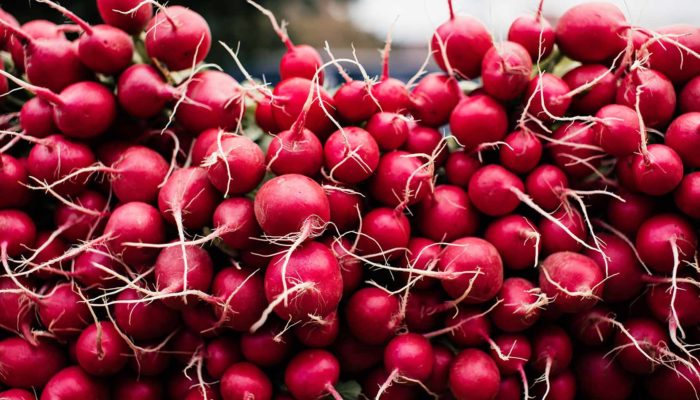
Radishes – The Fast-Growing Favourite
If you want quick results, radishes are your go-to crop. They’re one of the fastest-growing vegetables — you can go from seed to harvest in as little as 4–5 weeks. Perfect for impatient gardeners!
How to grow radishes:
- When to sow: April to May for outdoor planting.
- Where to grow: Ground beds, containers, or even grow bags.
- Planting depth: Sow seeds 1cm deep and 2.5cm apart in a long trench.
- Top tip: Keep the soil moist to avoid a woody texture.
Radishes are incredibly versatile in the kitchen — enjoy them fresh in salads, sliced on top of bread with butter, or pickled for a tangy crunch.
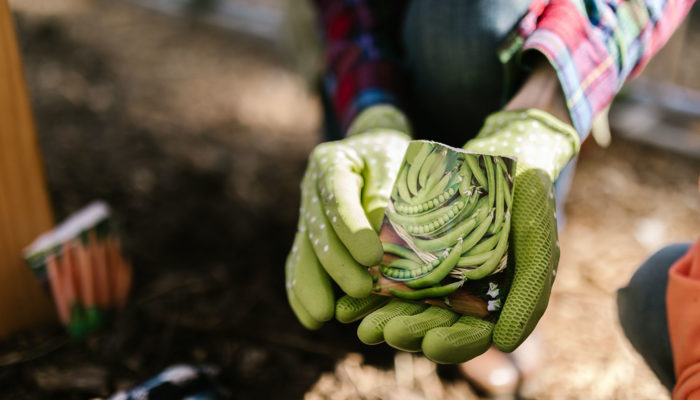
Peas – Sweet, Tender, and Best Fresh
Few things taste as good as peas picked straight from the pod. They’re low-maintenance and can be grown in a variety of spaces, from garden beds to large containers.
How to grow peas:
- When to sow: Spring to midsummer.
- Planting depth: 3cm deep in fertile, well-drained soil.
- Support: Use pea sticks or netting to help them climb.
- Feeding: Once flowers appear, feed weekly with a high-potash fertiliser.
Peas are best eaten on the day of harvest for maximum sweetness, but they can also be stored in the fridge for up to a week or frozen for later use.
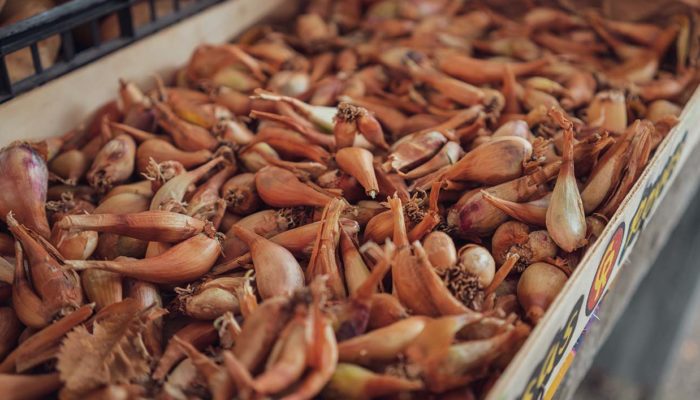
Shallots – A Flavour-Packed Addition
Shallots might look like small onions, but they’re sweeter, milder, and perfect for cooking or pickling. They require very little maintenance, making them an excellent choice for beginners.
How to grow shallots:
- When to plant: From sets in early spring or early autumn.
- Soil: Well-drained, fertile soil in full sun.
- Extra care: If planting in autumn, apply a nitrogen-rich fertiliser to encourage strong growth.
- Harvest time: Spring-planted shallots take around 20 weeks; autumn-planted take about 36 weeks.
You’ll know your shallots are ready when the leaves turn brown and droop over. Simply lift them from the soil, let them dry, and store them in a cool, dark place.
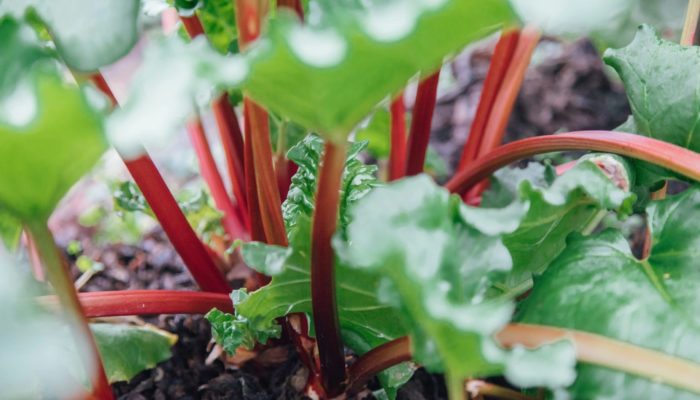
Rhubarb – A Long-Term Garden Investment
Although technically a vegetable, rhubarb is most often enjoyed in sweet dishes like crumbles, pies, and jams. It’s a perennial plant, which means once established, it will keep producing for years.
How to grow rhubarb:
- Planting time: Best planted in early spring or autumn.
- Soil: Fertile, free-draining soil enriched with compost or well-rotted manure.
- Care tips: Mulch annually and water well during dry spells.
- Space: Give rhubarb plenty of room — it will spread over time.
Harvesting tip: Don’t pick any stalks in the first year. In the second year, take only a few. From the third year onwards, you can enjoy a full harvest from spring onwards. Always leave at least a third of the stalks to keep the plant healthy.
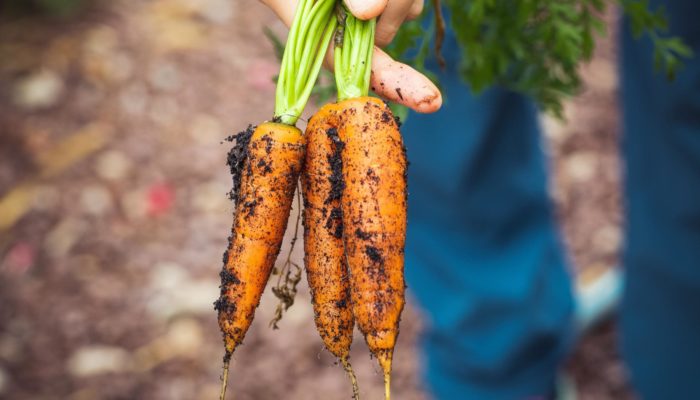
Carrots – Sweet Roots for All Seasons
Carrots are easy to grow, but they can be tricky if your soil isn’t right. Short, stubby carrots often result from planting in heavy, stony soil. For best results, choose light, sandy soil and keep it weed-free.
How to grow carrots:
- When to sow: Spring and autumn.
- Planting depth: 1cm deep, sowing seeds as thinly as possible.
- Spacing: Rows should be 15–30cm apart.
- Germination: Seeds can be slow to sprout, so be patient.
Pest protection: Carrot seedlings are vulnerable to slugs, snails, and carrot fly. Use fine mesh or fleece to protect your crop.
Harvest your carrots 12–16 weeks after sowing for tender, sweet roots.
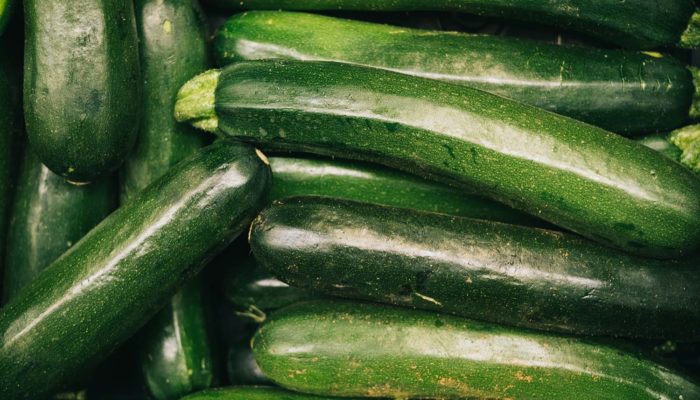
Courgettes – Abundant and Versatile
If you want a vegetable that keeps on giving, courgettes (zucchini) are unbeatable. A single plant can produce more than you expect — perfect for soups, stir-fries, or simply grilled.
How to grow courgettes:
- When to sow: Late May or early June outdoors.
- Planting: Sow 1–2 seeds per spot, 90cm apart, 2.5cm deep.
- Protection: Cover with cloches or fleece until seedlings are established.
- Feeding: Apply a high-potash feed, such as tomato fertiliser, every two weeks.
Mulching helps retain moisture, and harvesting when fruits are no longer than 10cm keeps plants producing longer.
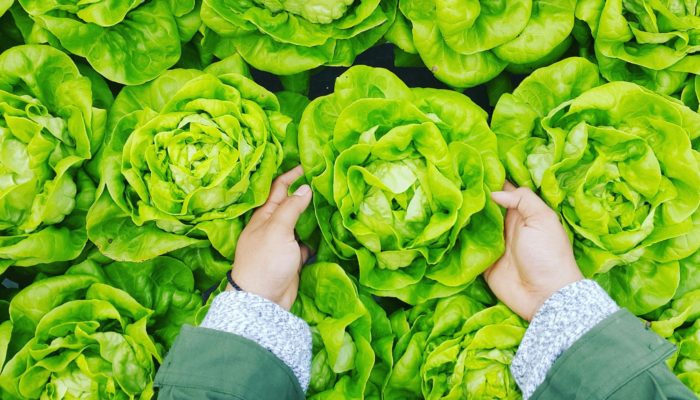
Lettuce – Fresh Leaves All Year Round
Lettuce is one of the easiest crops for beginners — it grows quickly, doesn’t take up much space, and can be grown almost anywhere.
How to grow lettuce:
- When to sow: All year round, with shade in summer to prevent bolting.
- Where to grow: Beds, pots, containers, or even vertical planters.
- Harvest method: Use the “cut and come again” method to pick leaves as they grow, extending your harvest period.
With so many varieties — from crisp romaine to tender butterhead — you can enjoy a constant supply of fresh, colourful leaves for salads and sandwiches.
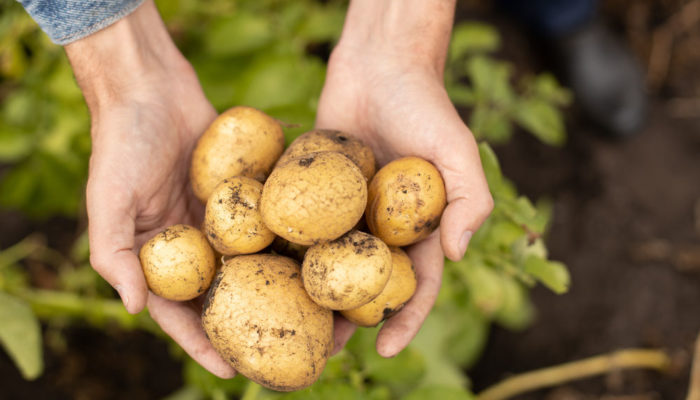
Potatoes – The Beginner’s Staple Crop
Potatoes are one of the most rewarding vegetables for beginners. From just one seed potato, you can harvest multiple tubers.
How to grow potatoes:
- When to plant: Spring.
- How to plant: Dig a trench 12cm deep and 60cm apart from the next. Plant seed potatoes 30cm apart and cover with soil.
- Care: As shoots appear, cover them with soil (“earthing up”) to protect from frost and increase yield.
You’ll know they’re ready when the plants start to flower and die back. Simply cut the plants down, gently dig up the potatoes, and enjoy.
Final Tips
Starting your own vegetable patch doesn’t have to be complicated. Here are a few quick tips to boost your success:
- Start small: Pick 2–3 vegetables from this list to begin with and expand as your confidence grows.
- Know your soil: Testing your soil’s pH and texture can help you choose the right crops.
- Water consistently: Most vegetables prefer steady moisture rather than occasional heavy watering.
- Feed your plants: A balanced fertiliser or compost can make a big difference in crop quality.
- Harvest regularly: Many vegetables produce more when picked often.
Why Growing Your Own Vegetables is Worth It
Homegrown vegetables don’t just taste better — they’re fresher, healthier, and often cheaper than shop-bought produce. Gardening is also a fantastic way to spend time outdoors, reduce stress, and connect with nature.
Even if you only have a small garden or balcony, there’s an easy-to-grow vegetable on this list that will work for you. So grab your seeds, prepare your soil, and get growing — your first harvest will be more satisfying than you ever imagined.
We’d love to hear from you!
Which of these vegetables will you be planting this season? Share your gardening plans in the comments below — and don’t forget to tag us in your garden photos!