
The Importance of Bees: How They Support Our Gardens, Our Environment, and What We Can Do to Protect Them

Bees are some of the most valuable visitors to any garden. While their gentle hum is a familiar summer sound, their role in supporting healthy gardens and thriving ecosystems is far greater than many people realise. These small, hard‑working pollinators are essential to plant life, food production, and environmental balance — and they need our support now more than ever.
Bees are among the most efficient pollinators in nature. As they move from flower to flower collecting nectar and pollen, they enable plants to produce fruits, vegetables, seeds, and blooms. For gardeners, this means:
- Healthier, more productive plants.
- Larger and more reliable harvests.
- A richer diversity of flowers and foliage.
Simply put, without bees, our gardens would be far less vibrant and far less fruitful.
How Bees Support the Wider Environment
Beyond our fences, bees play an essential role in maintaining ecological balance.
- Supporting biodiversity
Bees help a wide variety of plants reproduce, which in turn supports habitats for countless species — from insects to birds and small mammals. - Strengthening food systems
Many crops grown for human consumption rely on bee pollination. Their work supports food security globally and contributes to the resilience of natural and agricultural landscapes. - Promoting environmental health
By enabling the growth of trees, wildflowers, and other native plants, bees help stabilise soil, support clean air, and nurture thriving ecosystems.
Simple Ways We Can Protect Bees
Fortunately, there are effective ways we can all make a positive difference — no matter the size of our garden or outdoor space.
1. Choose plants bees love
Planting a selection of nectar‑rich and pollen‑rich flowers ensures bees have reliable food sources throughout the year. Consider:
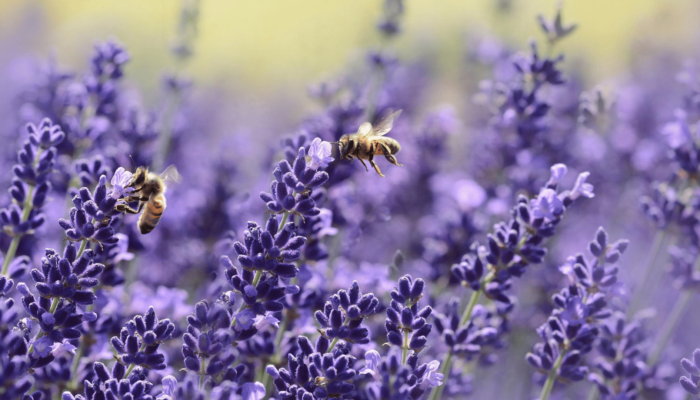
Lavender

Foxglove

Coneflowers

Alliums

Wildflower Varieties
A diverse planting scheme is best, giving bees options across seasons.
2. Reduce or eliminate pesticides
Many common chemical treatments can be harmful to bee populations. Instead, gardeners can explore:
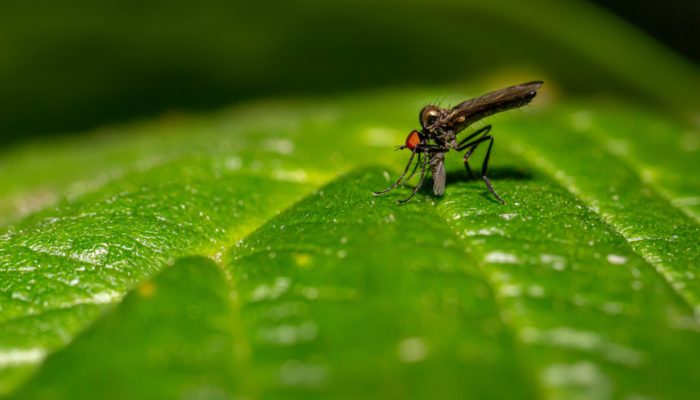
Natural pest‑control methods
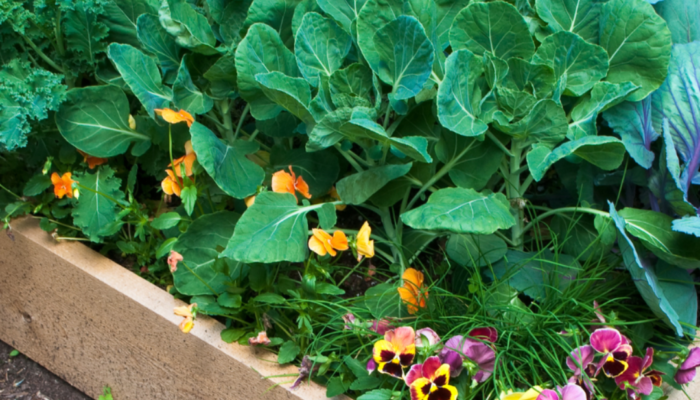
Companion planting

Physical barriers like mesh or fleece
These approaches are kinder to the environment and help maintain a healthy balance in the garden.
3. Provide habitats and safe spaces
Bees need more than flowers — they also need places to rest, nest, and drink. You can support them by providing:

Bee houses for solitary species

Log piles or undisturbed corners of the garden

A shallow water dish with stones to prevent drowning
4. Leave a little space wild
Allowing part of your garden to grow naturally — even a small patch — offers vital shelter and feeding areas for bees and other wildlife.
5. Support local and national bee initiatives
Whether it’s buying local honey, planting native species, or supporting conservation groups, every action helps strengthen bee populations and protect their habitats.
Bees give us so much — thriving gardens, abundant harvests, and a healthier natural world. Protecting these remarkable pollinators is a responsibility we all share, and even small steps can make a meaningful difference.
By creating bee‑friendly spaces and making conscious gardening choices, we help ensure that bees continue to flourish, and with them, the beauty and productivity of our gardens.