
The 10 Best Smelling Plants to Plant in Your UK Garden

When you think of a garden, what comes to mind first? For many of us, it’s colour, shape, and texture. But there’s another dimension to gardening that often lingers long after you’ve left the flowerbed—the scent. A beautifully fragranced garden doesn’t just look good; it creates an atmosphere, stirs memories, and even lifts your mood.
Whether you want a front garden that greets guests with perfume, a patio filled with evening scents, or borders that attract pollinators, scented plants are a must-have in any garden.
In this guide, we’ll explore the best smelling plants to grow in the UK, how to use them in your garden design, and why fragrance is just as important as colour when planning your outdoor space.
Why Fragrance Matters in the Garden
Gardens appeal to all the senses, but fragrance adds something truly special. Here’s why scented plants should be part of every UK garden:
- Mood-boosting: Studies show that natural scents like lavender or jasmine can lower stress and help with relaxation.
- Memory & nostalgia: A single whiff of roses or honeysuckle can transport you back to childhood summers.
- Pollinator-friendly: Many fragrant flowers are rich in nectar and attract bees, butterflies, and moths.
- Evening enjoyment: Certain plants release their strongest fragrance at dusk, perfect for summer evenings outdoors.
By choosing the right plants, you can enjoy a garden that smells as good as it looks all year round.
The Best Smelling Plants for UK Gardens
Below are some of the top scented plants you can grow in the UK—covering flowers, shrubs, climbers, herbs, and even trees.
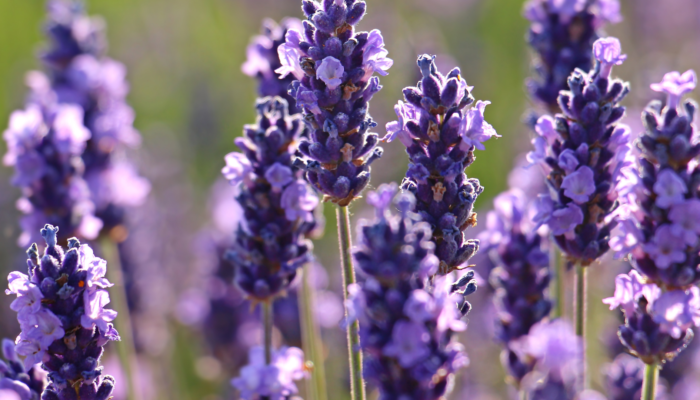
Lavender (Lavandula angustifolia)
Perhaps the most iconic scented plant for UK gardens, lavender is beloved for its calming fragrance and classic purple blooms. It thrives in sunny spots with well-drained soil and doubles up as a pollinator magnet.
- Best varieties: ‘Hidcote’ and ‘Munstead’ (both hardy and compact)
- Flowering time: June to August
- Uses: Borders, containers, edging, or dried for sachets
Tip: Plant lavender along a pathway so the scent releases every time you brush past.
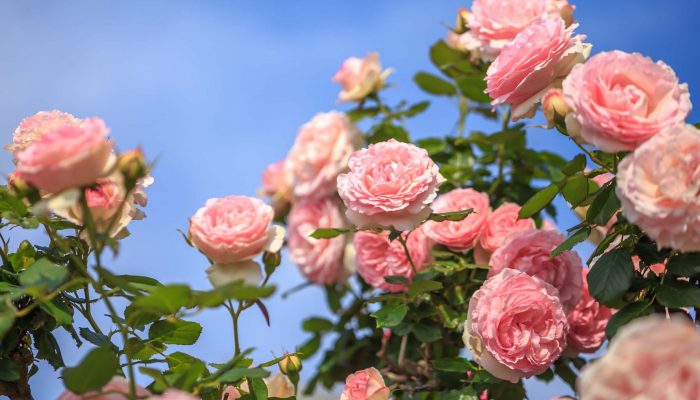
Roses (Rosa spp.)
No fragrant garden is complete without roses. While not all roses are scented, many traditional English varieties are renowned for their perfume.
- Best varieties: ‘Gertrude Jekyll’ (strong old-rose scent), ‘Graham Thomas’ (tea fragrance), ‘Claire Austin’ (myrrh and vanilla tones)
- Flowering time: May to September (with repeat blooms in some varieties)
- Uses: Borders, climbing on arches, or grown in pots
Tip: Opt for David Austin roses if you’re after strong fragrance combined with reliable flowering.
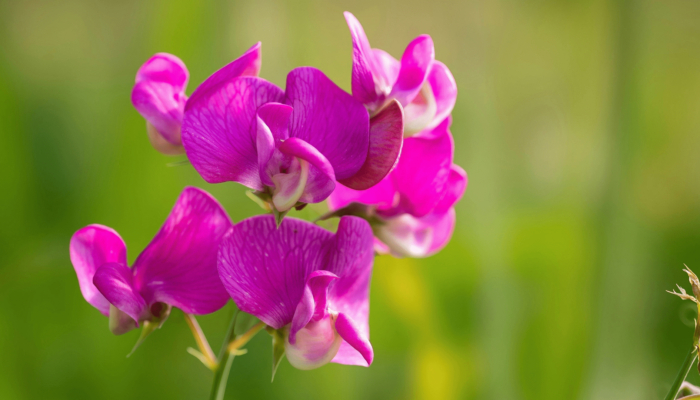
Sweet Peas (Lathyrus odoratus)
Few plants rival the fragrance of sweet peas in full bloom. These annual climbers provide both colour and scent, perfect for cutting gardens.
- Best varieties: ‘Matucana’ (deep fragrance), ‘Cupani’ (historic and highly perfumed), ‘High Scent’
- Flowering time: June to August
- Uses: Climbing trellises, wigwams, or grown in containers
Tip: Pick sweet peas regularly to encourage more flowers and continuous fragrance.

Lilac (Syringa vulgaris)
The nostalgic fragrance of lilac is a hallmark of late spring in the UK. Its blooms are heavily perfumed and excellent for cutting.
- Best varieties: ‘Sensation’ (purple with white edges), ‘Madame Lemoine’ (white)
- Flowering time: May to June
- Uses: Large shrub borders, cottage gardens, or screening
Tip: Lilacs prefer full sun and well-drained soil to flower at their best.

Honeysuckle (Lonicera periclymenum)
A classic UK climber, honeysuckle produces highly scented tubular flowers loved by bees and moths. Its fragrance is strongest at dusk.
- Best varieties: ‘Graham Thomas’ (yellow flowers), ‘Serotina’ (red and cream, late flowering)
- Flowering time: June to September
- Uses: Climbers for trellises, fences, or woodland edges
Tip: Grow honeysuckle near windows or doors where the scent can drift indoors on summer evenings.

Daphne (Daphne odora)
Daphnes are small evergreen shrubs with outstandingly fragrant winter or early spring flowers. They’re compact, making them ideal for small gardens.
- Best varieties: Daphne odora ‘Aureomarginata’ (variegated leaves, pink flowers)
- Flowering time: January to March
- Uses: Pots, borders, or front garden planting
Tip: Position daphne near a front door to enjoy its early-season fragrance every time you come home.

Wisteria (Wisteria sinensis / Wisteria floribunda)
Wisteria is a spectacular climber with cascading flowers that bring both visual drama and intoxicating scent.
- Best varieties: Wisteria floribunda ‘Alba’ (white), Wisteria sinensis ‘Prolific’ (blue)
- Flowering time: May to June
- Uses: Trained over walls, pergolas, or arches
Tip: Prune twice a year to keep wisteria in check and encourage abundant flowering.

Mock Orange (Philadelphus coronarius)
Often called the “gardenia of the north”, mock orange produces clusters of sweet, citrus-scented white flowers in early summer.
- Best varieties: ‘Belle Etoile’ (compact, intense fragrance), ‘Virginal’
- Flowering time: May to June
- Uses: Hedges, shrub borders, or as a standalone feature
Tip: Ideal for planting near patios where the scent can be enjoyed in the evening air.

Jasmine (Jasminum officinale)
The common jasmine is a vigorous climber with star-shaped, sweetly scented flowers that open in summer. It thrives in sheltered, sunny spots, making it ideal for south-facing walls or pergolas.
- Best varieties: Jasminum officinale (classic scent), Jasminum polyanthum (greenhouse or conservatory use)
- Flowering time: June to August
- Uses: Covering walls, fences, or pergolas
Tip: Plant near a seating area—you’ll enjoy its fragrance most in the evening.
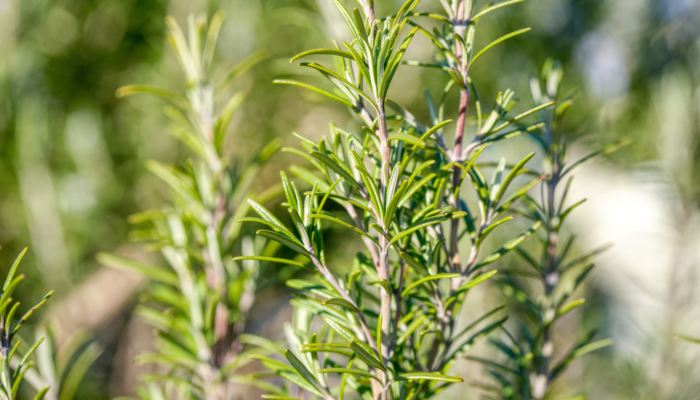
Herbs (Rosemary, Thyme, Mint & Lemon Balm)
Herbs aren’t just for the kitchen—they add aromatic foliage that releases scent whenever touched.
- Best herbs for fragrance:
- Rosemary – pine-like aroma, evergreen
- Thyme – fragrant ground cover with tiny blooms
- Mint – refreshing, though best kept in pots
- Lemon Balm – citrusy scent, great for teas
- Flowering time: Varies by herb
- Uses: Kitchen gardens, edging, pots, sensory gardens
How to Maximise Fragrance in Your Garden
Plant choice is only half the story—positioning and care make a big difference.
- Plant in high-traffic areas: Along pathways, near doors, or by seating areas.
- Choose evening-scented plants for patios: Jasmine, honeysuckle, and nicotiana release stronger fragrance at dusk.
- Mix seasonal bloomers: Combine winter-scented shrubs (daphne, sarcococca) with summer stars (roses, lavender).
- Plant in containers: Great for small gardens or patios where scent can be concentrated.
- Use sheltered spots: Fragrance lingers longer when protected from strong winds.
Seasonal Scent Planner for UK Gardens

Spring
Daphne, lilac, hyacinths, tulips.

Summer
Roses, lavender, jasmine, honeysuckle, sweet peas.

Autumn
Late honeysuckle, phlox, heliotrope.

Winter
Daphne, sarcococca, viburnum bodnantense.
Adding fragrance to your outdoor space transforms it from a garden into a multi-sensory sanctuary. From the calming scent of lavender to the nostalgic perfume of roses or the evening fragrance of jasmine, there are countless options suited to UK conditions.
By carefully choosing and positioning the best smelling plants, you’ll create a garden that doesn’t just look beautiful but also uplifts your mood, supports wildlife, and provides lasting enjoyment throughout the seasons.
To see even more best smelling plants, click here!