
Natural Garden Remedies

If there’s one thing British gardeners know well, it’s that our gardens have moods one week, they’re thriving, the next they’re sulking under a spot of mildew or an army of aphids. While it can be tempting to reach for chemical solutions, there’s a growing movement among UK gardeners to go natural.
Not only are homemade remedies kinder to the environment, but they’re also surprisingly effective (and easy on the wallet!).
Let’s explore some tried-and-true Natural Garden Remedies that keep your plants perky, pest-free, and chemical-light.

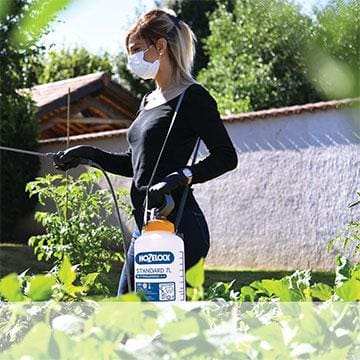
Soap Spray for Aphids and Whitefly (Pure Sprayer)
Best for: Roses, beans, and anything aphid-prone.
Aphids are the uninvited guests at every garden party. Luckily, you can evict them without harsh pesticides.
Recipe:
- Mix 1 tablespoon of mild liquid soap (unscented, if possible) with 1 litre of water.
- Pour into a spray bottle and lightly mist affected leaves — especially the undersides.
- Rinse off after a few hours to prevent any residue build-up.
Tip: Test a small patch first. Some plants, like ferns and succulents, are a little sensitive to soap sprays.
Beer Trap for Slugs and Snails
Best for: Veg patches and shady borders.
Many gardeners have faced the heartbreak of a slug-mauled lettuce. A simple beer trap works wonders and is delightfully low-tech.
How To Do:
- Bury a small container (like a yoghurt pot) so its rim is level with the soil.
- Fill halfway with beer, any brand will do.
- The slugs will be lured in and meet their (slightly tipsy) end overnight.
Tip: Empty and refill every few days, and you’ll keep your borders much happier without harming beneficial wildlife.


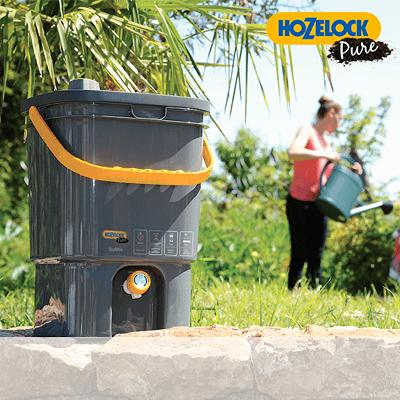
Nettle Tea Feed (BioMix)
Best for: Hungry plants like tomatoes, courgettes, and leafy greens.
Think of this as a natural energy drink for your plants. Nettles are packed with nitrogen, perfect for giving your garden a mid-season boost.
Recipe:
- Gather a bucket of young nettles (gloves are your friend here!).
- Chop them up and pop them into a large container.
- Cover with water and leave for a week or two to steep, it will smell very “rustic,” but that’s a good sign.
- Strain and dilute about 1 part nettle tea to 10 parts water before using as a liquid feed.
Tip: This brew is brilliant for keeping foliage lush and green.
Garlic Spray for Fungal Problems
Best for: Roses, fruit trees, and anything prone to powdery mildew.
Garlic is a great natural antifungal and pest deterrent.
Recipe:
- Crush two cloves of garlic and simmer gently in 1 litre of water for 10 minutes.
- Let it cool, strain, and pour into a spray bottle.
- Apply once a week to keep mildew and black spot at bay.
Tip: Best used on dry days to help the spray stick and work its magic.


Companion Planting Magic
Not all Natural Garden Remedies comes in a bottle. Sometimes, the best cure is prevention and nature provides perfect partners.
- Marigolds deter nematodes and aphids.
- Lavender attracts pollinators and repels moths.
- Chives and garlic help protect roses.
It’s all about building a little ecosystem that balances itself out. Less intervention, more harmony.
A Few Final Tips
- Rainwater beats tap water: Whenever you can, collect rainwater. It’s softer, and plants love it.
- Rotate your Natural Garden Remedies: Even natural solutions can lose effectiveness if overused. Mix things up through the season.
- Observe and adjust: Every garden is different. Part of the joy is in discovering what works best for your little patch of green.
Natural Garden Remedies aren’t just about being eco-friendly, they reconnect us with the rhythms of nature. You’ll spend less money, reduce waste, and give your plants the gentle care they deserve. And honestly? There’s something deeply satisfying about solving a garden problem with what’s already in your kitchen cupboard.
So next time a pest or fungus dares to take on your dahlias, skip the chemicals and go back to basics. Your garden (and the bees!) will thank you.
In the meantime, if eco-gardening interests you, who not have a look through our sustainability-centred blogs?