
The Best Native Plants for Sustainable Landscaping

Sustainable landscaping is more than just a buzzword—it’s a way to work with nature rather than against it. As UK gardeners become increasingly aware of climate change, water usage, and biodiversity loss, the use of native plants is emerging as a powerful and practical solution.
By choosing plants that naturally belong in your region, you can create a beautiful, low-maintenance, and wildlife-friendly garden that supports local ecosystems and stands up to changing weather conditions.
In this guide, we’ll explore the best native plants for sustainable landscaping in the UK, including flowers, grasses, shrubs, and trees. You’ll also learn why native plants matter, how to incorporate them into your garden, and how this approach supports pollinators, reduces water waste, and makes your garden more resilient long-term.
Why Native Plants Matter in Sustainable Landscaping
What are native plants?
Native plants are species that have evolved and adapted to your region over thousands of years, forming natural relationships with the soil, weather, wildlife, and pollinators. In the UK, this means plants that existed before modern agriculture or foreign cultivation – generally species established before 1500 AD.
These plants thrive in your local conditions without needing excessive watering, fertilisers, or pest control, making them perfect for environmentally conscious gardeners.

Benefits of native plants:
- Low maintenance: Once established, they require less watering and feeding.
- Water-wise: They’re naturally adapted to local rainfall and drought cycles.
- Supports wildlife: Provides food and shelter for birds, bees, butterflies, and insects.
- Resilient: Better equipped to handle UK weather extremes.
- Soil-friendly: Helps prevent erosion and supports healthy soil microbiomes.
- Pesticide-free gardening: Many native plants resist pests naturally, reducing chemical use.
In short, they make your garden look good, feel good, and do good—for both the environment and your peace of mind.
Best Native Plants for a Sustainable UK Garden
Native Wildflowers for Colour & Pollinators

Oxeye Daisy (Leucanthemum vulgare)
A classic meadow flower with cheerful white petals and a yellow centre, oxeye daisies are loved by pollinators, especially hover-flies and solitary bees.
- Sun: Full
- Soil: Well-drained
- Great for: Wildflower borders, gravel gardens

Red Campion (Silene dioica)
With vibrant pink-red blooms, red campion brings colour to semi-shady areas and supports long-tongued bees and butterflies.
- Sun: Partial shade
- Soil: Moist, fertile
- Great for: Woodland edges, pollinator-friendly beds

Common Knapweed (Centaurea nigra)
A favourite of bees and butterflies, knapweed offers a long flowering season and blends beautifully with grasses.
- Sun: Full
- Soil: Well-drained
- Great for: Wildlife gardens, cottage-style planting
Native Grasses for Texture & Structure

Tufted Hair Grass (Deschampsia cespitosa)
A soft, airy grass that catches the light and moves beautifully in the wind, while also providing nesting material for birds.
- Sun: Sun or partial shade
- Soil: Moist, tolerates heavy clay
- Great for: Prairie-style planting, rain gardens

Common Bent (Agrostis capillaris)
Ideal for natural lawns and wild meadows, this native grass supports microinvertebrates and birds.
- Sun: Full
- Soil: Neutral to acidic
- Great for: Rewilded lawns, meadow mixes

Crested Dog’s Tail (Cynosurus cristatus)
Low-growing and non-invasive, this UK-native grass mixes well with wildflowers and withstands mowing.
- Sun: Full
- Soil: Well-drained, moderate fertility
- Great for: Wildflower meadows, green roofs
Native Shrubs for Shelter & Biodiversity

Hawthorn (Crataegus monogyna)
Known as the “May Tree,” hawthorn is a keystone species supporting over 300 insects, birds, and mammals. Its blossom feeds pollinators, and red haws nourish birds in winter.
- Sun: Full
- Soil: Most types
- Great for: Wildlife hedges, screening, blossom

Dog Rose (Rosa canina)
This scrambling shrub adds delicate pink-white flowers in summer and bright red hips in autumn—great for bees, birds, and foragers.
- Sun: Full or partial
- Soil: Free-draining
- Great for: Hedgerows, wild edges, rosehips

Guelder Rose (Viburnum opulus)
A stunning native with white lace-cap flowers, red autumn berries, and fiery foliage. Supports pollinators, birds, and moths.
- Sun: Full or partial
- Soil: Moist, loamy
- Great for: Moist borders, woodland gardens
Native Trees for Long-Term Impact

Silver Birch (Betula pendula)
This elegant tree offers shelter, shade, and habitat for over 300 insect species. Its bark is beautiful year-round, and it supports fungi and birds.
- Sun: Full
- Soil: Light, sandy
- Great for: Medium gardens, natural screening

Rowan (Sorbus aucuparia)
Also known as mountain ash, rowan features white spring flowers, orange-red berries for birds, and stunning autumn colour.
- Sun: Full
- Soil: Well-drained, tolerates poor soils
- Great for: Wildlife gardens, front gardens

Hazel (Corylus avellana)
Loved for its catkins in spring and nuts in autumn, hazel provides habitat for dormice, birds, and early bees.
- Sun: Sun or shade
- Soil: Moist, well-drained
- Great for: Hedges, coppicing, woodland-style planting
Designing a Sustainable Native Garden: Tips & Ideas
Adding native plants doesn’t mean giving up structure or beauty. Here’s how to make your sustainable garden practical and stylish:
Mix and Match: Combine native wildflowers with ornamental perennials and grasses for a hybrid planting style that supports biodiversity while offering curb appeal.
Create Habitat Zones: Dedicate areas for wildlife—like a wildflower patch, hedgerow border, or mini meadow. Even a small corner helps.
Reduce Water Waste: Native plants often thrive with less water. Combine with Hozelock’s automatic watering systems, such as the Select Controller or Soaker Hose, to minimise waste and save time during dry spells.
Swap the Lawn: Reduce traditional lawn area in favour of wildflower turf or no-mow zones. Not only do they require less water and mowing, but they also offer a feast for insects.
Mulch and Feed Naturally: Use compost, leaf mould, or bark mulch to feed your soil and suppress weeds. Native plants often dislike artificial fertilisers, and healthy soil reduces the need.

Climate-Ready Gardening Starts with Native Plants
As UK weather becomes increasingly unpredictable—hotter summers, wetter winters, and extreme swings—native plants offer built-in resilience. Because they’re adapted to local conditions, they can survive drought, flood, and cold better than many imported species.
Pairing native planting with sustainable practices—such as mulching, composting, and using rainwater—can turn any garden into a resilient sanctuary for years to come.
Native Planting and UK Garden Wildlife
Looking to help bees, butterflies, and birds? Here’s a quick match-up:
Knapweed, scabious, hawthorn, dog rose.
Red campion, field scabious, silver birch.
Rowan, hawthorn (berries), guelder rose.
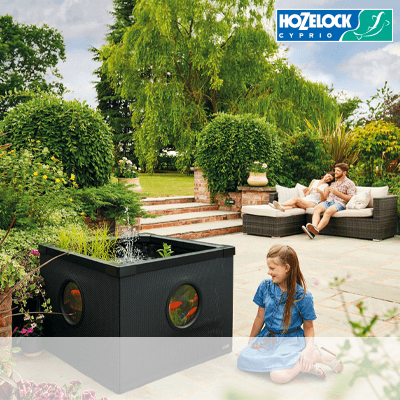
Combine native borders with a pond and wild cover.
The more diverse your planting, the richer your garden becomes—for wildlife and your own enjoyment.
By choosing native plants, you’re not just planting a garden—you’re restoring a vital piece of your local ecosystem. Whether you’re working with a full garden, balcony pots, or a community space, native species offer a sustainable, water-wise, and pollinator-friendly way to design with nature in mind.
You don’t need to go 100% native overnight. Even swapping a few plants for locally adapted alternatives can make a big difference. Start small, plant with purpose, and let your garden thrive—naturally.