
Gardening for All Spaces: How to Grow a Beautiful Garden Anywhere

Whether you have a sprawling lawn, a compact courtyard, a small balcony, a shared allotment, or simply a sunny windowsill, one thing holds true: you can garden anywhere.
Modern gardening is no longer defined by square footage. Instead, it’s about creativity, intention, and making the most of the space available to you.
In the UK—where garden sizes are shrinking, and urban living is on the rise—more people than ever are exploring ways to grow plants in unconventional places.
The good news? Gardening has never been more accessible.
This guide explores how to create a flourishing garden in any space, with practical advice, clever hacks, and plenty of inspiration for beginners and seasoned gardeners alike.
Why Gardening Is for Everyone (and Every Space)
Gardening offers more than beautiful spaces and home-grown produce—it supports wellbeing, encourages mindfulness, and helps people reconnect with nature. It also brings joy to renters, homeowners, balconies, patios, windowsills, and allotment holders alike.
Even the smallest green corner can:
- Boost mental health and reduce stress.
- Improve air quality.
- Encourage time outdoors.
- Provide a sense of achievement.
- Support wildlife and pollinators.

Small Gardens: Make Every Square Inch Count
If you’re working with a small plot, courtyard, or tiny lawn, the key is to think upwards, inwards, and multi-purpose.

Use Vertical Space
- Trellises, obelisks, and wall-mounted planters turn bare fences into lush green features.
- Climbing plants like sweet peas, clematis, and climbing roses thrive upward rather than outward.
- Vertical vegetable options include runner beans, cucumbers, and climbing courgettes.

Choose Compact, High-Yield Plants
Opt for varieties bred for small spaces:
- Dwarf fruit trees (apple, pear, cherry).
- Compact tomatoes.
- Patio potatoes.
- Miniature blueberries.
These provide impressive harvests without swallowing precious space.

Use Containers Strategically
Container gardening offers flexibility and control. Choose pots that:
- Allow plants to thrive without overwhelming your space.
- Can be grouped to create a ‘mini garden zone’.
- Are easy to move into sun or shelter.
Top tip: Use lightweight pots if you rearrange often.
Balconies: Your Mini Urban Oasis
Balcony gardening has exploded in popularity across the UK, especially in cities. With the right setup, even the smallest balcony can become a lush retreat.

Prioritise Safety and Weight
Lightweight containers and railing planters are ideal. Before placing heavy planters or water-filled pots on a balcony, always check:
- Weight restrictions.
- Structural integrity.
- Proper drainage.

Pick Wind-Resistant Plants
Balconies—especially high-rise ones—experience stronger winds. Choose hardy plants such as:
- Lavender.
- Hardy herbs (rosemary, thyme, sage).
- Ornamental grasses.
- Geraniums.
- Dwarf conifers.

Build a Micro-Garden with Planters and Shelving
Vertical shelving transforms unused corners into productive spaces. Use staggered heights to create a layered ‘garden look’ and maximise plant exposure to sunlight.

Grow Edibles Too
You can grow a surprising range of produce on a balcony:
- Tomatoes.
- Strawberries.
- Chillies.
- Basil and mint.
- Salad leaves.
Windowsills: Small but Mighty Growing Spaces
If indoor space is all you have, you can still grow a satisfying garden—just in miniature.
Best Plants for Indoor and Windowsill Gardening
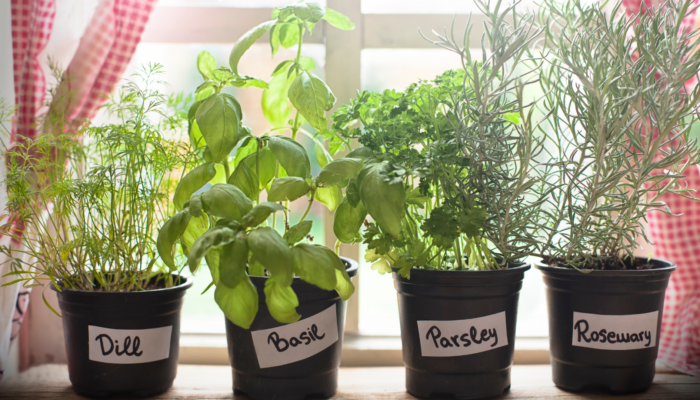
- Herbs like basil, parsley, and chives.
- Microgreens (ready in as little as 10 days!)
- Aloe vera and succulents.
- Spider plants and peace lilies.
- Small chilli and tomato varieties.
These plants remain compact and bring greenery into your home.
Maximise Light: South-facing windowsills are ideal, but if natural light is limited, consider LED grow lights to support plant growth year-round.
Use Narrow or Multi-Tier Windowsill Trays: These give you more growing surface without cluttering the sill.
Water Wisely: Overwatering is the biggest culprit indoors. Use mister sprays or self-watering pots to help maintain moisture levels.
Patios, Decks & Courtyards: The Perfect Container-Based Garden
Patios and decks are brilliant for container gardening, offering endless flexibility and creative opportunities.
Create Themes or Zones
Group containers by purpose or aesthetic:
- A herb kitchen corner.
- A pollinator-friendly flower collection.
- A container veg patch.
- A Mediterranean-style olive and lavender area.
Choose the Right Containers
- Terracotta for Mediterranean plants.
- Plastic or composite for easy moves.
- Raised planters for accessibility.
- Tall pots for adding height and drama.
From potatoes to hydrangeas to dahlias—many plants thrive in containers with the right compost and watering routines.
Add Watering Convenience
Container gardens often require frequent watering, so consider using:
- Watering cans for small setups.
- A Hozelock irrigation system for larger patios.
- Self-watering planters for time-poor gardeners.


Allotments: A Productive Escape for Any Gardener
Allotments offer the space to grow your own food even if you don’t have a garden at home.
Get Started with Easy Crops
Ideal choices for beginners include:
- Potatoes.
- Carrots.
- Beetroot.
- Onions.
- Runner beans.
- Courgettes.
Create Practical Layouts: Use wide beds, clear paths, and defined zones to keep the space manageable and enjoyable.
Store Water Efficiently: Allotments often rely on shared taps, so harvesting rainwater with barrels and using hose attachments or watering cans ensures consistent hydration.
Build a Community: Allotments are social spaces where gardeners share seedlings, advice, and encouragement—ideal for beginners.
Renters: Portable and Non-Permanent Gardening Ideas
You don’t need to own a space to enjoy gardening.
Invest in Portable Planters: Wheeled containers, lightweight raised beds, and moveable troughs allow you to take your garden with you.
Avoid Digging: Instead, grow in pots, grow bags, and vertical systems that don’t disturb the land.
Use Indoor-Outdoor Plants: Choosing flexible plants—like herbs, ferns, and potted citrus—means you can move them wherever you live next.


Accessible Gardening: Making Gardening Easier for Every Body
Gardening should be inclusive, comfortable, and physically manageable for everyone.
Raised Beds and Tables: These reduce bending and strain, ideal for anyone with chronic illness, mobility limitations, or back issues.
Lightweight Tools: Modern lightweight products make gardening more accessible for individuals who prefer tools that are easier to grip and manoeuvre.
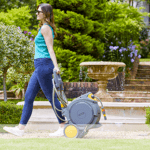
Ergonomic Watering Solutions: Products like Hozelock lightweight hoses, spray guns, and portable sprayers make watering manageable for people of all ages and abilities.
Seated or Armchair Gardening: Herbs, succulents, and houseplants provide all the joys of gardening from a comfortable seated position.
Wildlife-Friendly Spaces – No Matter the Size
Even a tiny patch can become a sanctuary for bees, butterflies, and birds.
Simple Ways to Support Wildlife
- Plant pollinator-friendly flowers like lavender, alliums, and cosmos.
- Install a bee hotel or bird feeder.
- Keep a small bowl of water topped up for wildlife.
- Choose native UK plants where possible.
Every plant helps restore biodiversity—no matter how small your garden may be.


Practical Tips for Gardening in Any Space
Choose the Right Soil or Compost: Containers thrive with multi-purpose compost, enriched compost, or specialist mixes like ericaceous compost for acid-loving plants.
Water Wisely
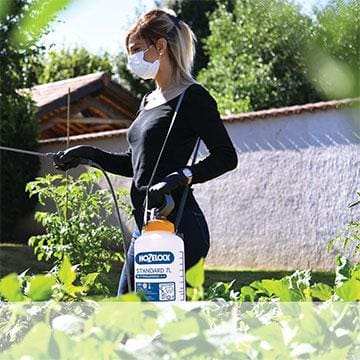
- Use watering cans or sprayers (Trigger Sprayers or Pressure Sprayers) for small spaces.
- Drip irrigation systems are perfect for patios.
- Store rainwater where possible.
Start Small: It’s better to grow a few plants well than many plants poorly. Build confidence over time.
Experiment and Have Fun: Gardening is a journey. What works for one space may not work for another—so try, tweak, and enjoy the process.
Gardening is not about the size of your garden—it’s about imagination, connection, and joy. Whether you’re growing tomatoes on a balcony, nurturing herbs on a windowsill, tending an allotment, or creating a container haven on a patio, there is always room to grow.
Every space can become a garden. Every person can be a gardener.
So, start where you are, plant what you love, and watch how even the smallest green corner can transform your home—and your wellbeing.