
Composting: Why It’s Good For Us And Our Gardens

Say the words “Black Gold” to any gardener and they’ll instantly know what you’re talking about.
Compost has long since been recognised as being beneficial for maintaining the health of both our plants and our soil but did you know composting can actually benefit us and our wellbeing as well?

The rewards our gardens gain from composting are well documented and it’s well known that healthy plants and a thriving garden start with good soil. Soil is the very backbone of the garden, the life force which drives it and can be the difference between plants that flourish and those that look distinctly lacklustre.
Adding essential nutrients to the soil, improving structure and moisture retention, feeding plants in a natural, sustainable way, suppressing certain plant diseases and promoting biodiversity by attracting beneficial insects and worms are just some of the many benefits composting brings. Beyond our gardens composting also helps to protect the wider environment by keeping organic waste out of landfill, reducing carbon footprint and supporting climate resilience by improving the soil’s ability to retain carbon and water.
There’s no doubt our gardens flourish with composting. But why is composting so good for us?
Firstly, it boosts our mental health and wellbeing by connecting us to nature. Being surrounded by nature has proven benefits, helping to reduce many conditions such as stress, depression, anxiety and overwhelm to name but a few.
Handling soil and organic matter can be grounding and meditative. This is a mindful practice that can slow down racing minds and if that wasn’t enough, soil also contains beneficial bacteria known as Mycobacterium vaccae which has been shown to stimulate serotonin production in the brain. Serotonin, often called the “happy hormone” helps to regulate mood. This means that simply digging in the soil or composting can lift out spirits in a very real, biological way – the ultimate anti-depressant!
Composting can also encourage mindful living. The act of composting invites us to slow down and think about what we consume and what we discard. Being intentional with what we do with our waste can help us foster a deeper appreciation of food, nature and our daily habits, allowing us to be present and establish a more mindful way of living.
In addition to this, it can also bring with it a sense of empowerment. In a world where environmental problems can often seem overwhelming, composting is a simple action that has a tangible and positive impact. Watching food scraps turn into nutrient-rich, compost brings with it a real sense of achievement, contribution and pride that we are ‘doing our bit’ to look after the world we live in.
Composting can also help foster community and connection. Community composting projects and shared gardens encourage social interaction and collaboration reducing feelings of loneliness and isolation. Getting together to swap composting tips or contributing to a communal compost bin brings people together who have shared values regarding environmental care. It also provides a wonderful opportunity for education. Teaching adults and children the value of gardening sustainably ensures these methods don’t die out and helps foster a lasting respect for the natural world.
As well as good for our mental health, its also great for our physical health too. The simple act of turning a compost pile, digging it in and tending to the garden all count as physical exercise that can help improve strength, dexterity, fine motors skills and overall fitness. Gardening encourages movement in a natural way and being outside gives us access to fresh air and sunlight allowing our bodies to absorb vitamin D which helps support bone health, immune function, muscle function, heart health and mood.

At its heart composting is the secret to thriving plants and healthy soil, but in reality it’s so much more than that. It isn’t just about better blooms, it’s about reducing waste, making mindful choices and feeling connected to the world around us. A small act that has big rewards for both our gardens and our wellbeing.
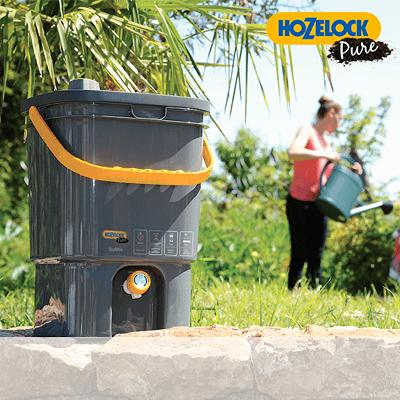
Why not try Hozelock’s very own Bokashi Kitchen Composter?


About the Author
Lucy Butler (@mindful.gardener) is an RHS-qualified horticulturist sharing how gardening supports mental well-being. Through practical tips and mindful reflections, she helps others find calm and connection in nature.