
Beginner’s Gardening 101: What You Need to Know Before You Start

Gardening is a rewarding hobby that offers fresh air, physical activity, and the satisfaction of nurturing plants from seed to bloom. But for beginners, the idea of starting a garden can feel overwhelming. Questions like “Where do I start?”, “What do I need?”, and “Will I kill everything?” are common.
The good news? Gardening doesn’t have to be complicated. With the right preparation, basic tools, and a little know-how, anyone can create a thriving garden.
This Beginner’s Gardening 101 guide covers everything you need to know before you start, whether you have a small patio, a balcony, a windowsill, or a full back garden.
Why Start Gardening?
Gardening isn’t just about flowers and vegetables. It offers numerous benefits that make it worth your time and effort:
- Wellbeing and mental health: Gardening has been shown to reduce stress, boost mood, and promote mindfulness – all of which we speak about on our Wellbeing Hub.
- Fresh produce: Grow your own herbs, fruit, and vegetables for fresher, tastier meals.
- Connection to nature: Spend time outdoors, watch wildlife, and engage with the changing seasons.
- Physical activity: Digging, planting, and watering provide a gentle workout.
- Creative expression: Design your space with colour, texture, and structure.
Whether your goal is relaxation, productivity, or simply enjoying fresh blooms, gardening is a hobby that can be tailored to your lifestyle.
Planning Your Garden: Location, Space, and Purpose
Before buying plants or tools, take time to plan your garden. Understanding your space and goals will make your gardening experience more enjoyable.

Step 1: Assess Your Space
- Sunlight: Observe how much sun different parts of your garden or balcony receive. Most vegetables and flowers need 4–6 hours of sunlight.
- Soil quality: Is your soil sandy, clay, or loamy? Understanding soil helps you choose the right plants.
- Space: Do you have a large garden, a patio, a balcony, or just a windowsill? Your available space will determine the types of plants and containers you can use.

Step 2: Decide Your Goals
- Decorative gardening: Focus on flowers, shrubs, and colour schemes.
- Edible gardening: Grow herbs, vegetables, and fruit.
- Wellbeing and wildlife: Plant pollinator-friendly species and create spaces for relaxation.

Step 3: Consider Your Lifestyle
- How much time can you dedicate to watering, feeding, and maintaining plants?
- Are you looking for low-maintenance plants or willing to invest more effort?
Planning first will save frustration and ensure your garden grows successfully.
Essential Tools for Beginners
Every gardener needs a basic toolkit. You don’t need the most expensive equipment, but quality tools will make gardening easier and more enjoyable.

Hand Trowel: Used for planting, digging small holes, and transplanting seedlings.

Hand Fork: Great for loosening soil and removing weeds in borders or pots.

Secateurs (Pruners): Perfect for trimming plants and deadheading flowers. Choose bypass secateurs for cleaner cuts.

Gardening Gloves: Protect your hands from dirt, thorns, and blisters.

Watering Can or Hose: A watering can works well for small spaces; a hose with adjustable spray is better for larger gardens.

Optional but helpful tools:
- Kneeling pad for comfort.
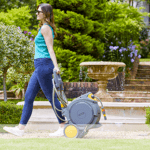
- Lightweight hose reel for easy storage.
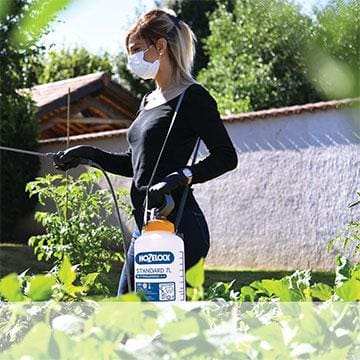
- Pressure sprayer for feeding and pest control (Hozelock offers beginner-friendly options).
To read more about the tools you’ll need as a beginner, we recommend reading our blog: The Ultimate Beginner-Friendly Gardening Shopping List.
Understanding Soil and Compost
Healthy soil is the foundation of a thriving garden. Plants need the right nutrients and drainage to grow well.

Soil Types
- Sandy soil: Drains quickly but dries out fast. Add compost to retain moisture.
- Clay soil: Holds water but can become compacted. Improve with compost or sand.
- Loamy soil: Ideal garden soil; balances moisture and nutrients.

Compost
- Multi-purpose compost is great for most containers and seeds.
- Specialist compost (e.g., ericaceous for acid-loving plants) can help specific species thrive.
- Compost improves soil structure, retains moisture, and provides nutrients.
Choosing Your First Plants
As a beginner, it’s best to start with plants that are easy to grow and forgiving if you forget to water occasionally.

Easy Flowers
- Marigolds.
- Nasturtiums.
- Sunflowers.
- Cosmos.
- Sweet peas.

Beginner-Friendly Vegetables
- Salad leaves (lettuce, rocket).
- Radishes.
- Beans and peas.
- Courgettes.
- Tomatoes (in growbags or containers).

Herbs
- Basil.
- Mint (in pots to prevent spreading).
- Parsley.
- Chives.
- Rosemary.
Tips for Beginners
- Start small and gradually expand your collection.
- Combine flowers and edibles for a productive and beautiful space.
- Use seedlings or plug plants to speed up growth.
Containers and Growing Spaces
If you don’t have a traditional garden, you can still grow plants in small or unconventional spaces.

Options
- Pots and planters: Ideal for patios, balconies, and windowsills.
- Growbags: Great for vegetables like tomatoes, potatoes, and herbs.
- Vertical gardening: Use wall-mounted planters or trellises to maximise space.
- Raised beds: Reduce bending and provide better soil control.
Tips
- Ensure pots have drainage holes to prevent root rot.
- Choose lightweight containers if you need to move them.
- Group plants with similar water and sunlight needs together.
Watering Basics
Watering is crucial for plant survival. Overwatering is as harmful as underwatering, so learn to strike a balance.
General Tips
- Water early in the morning or late in the evening to reduce evaporation.
- Focus on the soil rather than leaves to prevent disease.
- Use mulch to retain moisture in soil.
Tools to Help

Hozelock spray guns and pressure sprayers make watering easier and more efficient.

Self-watering containers are perfect for beginners or busy gardeners.

Consider an automatic irrigation system for larger gardens.
Fertilising and Feeding Your Plants
Plants need nutrients to grow healthy and strong. Fertilisers provide essential elements such as nitrogen, phosphorus, and potassium.
Options for Beginners
- Liquid fertilisers: Quick-acting and easy to apply, ideal for containers and young plants.
- Slow-release pellets: Feed plants over several weeks with minimal effort.
- Organic options: Seaweed extract, compost tea, or plant-based fertilisers are great for eco-conscious gardeners.
Tip: Always follow instructions to avoid overfeeding, which can harm plants.
Pest and Weed Control
Pests and weeds are part of gardening, but beginners don’t need to panic. Start with simple, natural methods.

Common Beginner Pests
- Slugs and snails (protect young seedlings with copper tape or wool pellets)
- Aphids (use neem oil or hand-pick)
- Caterpillars (check leaves regularly)

Weed Prevention
- Mulch beds and borders to reduce weed growth.
- Remove weeds by hand or use a hand fork.
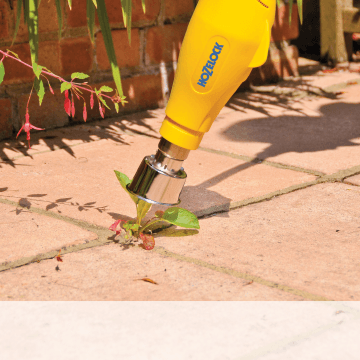
- For larger areas, consider eco-friendly weed control sprays.
Patience, Observation, and Learning
Gardening is a journey. Plants don’t grow overnight, and even experienced gardeners make mistakes. As a beginner:
- Observe your garden daily.
- Note what thrives and what struggles.
- Adjust watering, light, and fertilising accordingly.
- Celebrate small wins — a sprouting seedling is a success!
Gardening teaches patience, problem-solving, and observation — skills that improve over time.
Building Confidence as a Beginner
Confidence comes from starting small, learning, and experimenting. Here’s a simple approach:
- Start with a small container garden.
- Add one or two easy-to-grow plants.
- Track their growth and water regularly.
- Expand gradually to include more plants, herbs, or vegetables.
- Learn from mistakes — every gardener encounters challenges.
Remember: even small gardens can provide joy, beauty, and fresh produce.
Beginner-Friendly Gardening Resources
- Local garden centres and nurseries.
- Online gardening communities and forums.
- Horticultural blogs and YouTube channels.
- Books on beginner gardening.
- Seed and plant subscription boxes for inspiration.
These resources provide guidance, inspiration, and troubleshooting help.
Gardening is one of the most rewarding hobbies, and there’s no wrong way to begin. With the right preparation, tools, and mindset, anyone can grow a flourishing garden — whether it’s on a balcony, in a patio container, a small backyard, or an allotment.
Start simple, enjoy the process, and gradually build confidence. Celebrate every seedling, sprout, and bloom. Before long, you’ll have created a green space that’s uniquely yours — a place to relax, grow, and connect with nature.
Remember, the journey is just as important as the results. Gardening is for everyone, in every space, at every skill level. So, grab your gloves, pick your plants, and let your garden adventure begin.