
The Ultimate Beginner-Friendly Gardening Shopping List

If you’re brand new to gardening, stepping into the world of compost, containers, tools, and seeds can feel overwhelming. You might be wondering:
- What do I actually need?
- How much should I buy?
- Do I need all those fancy tools?
- Where do I begin?
The good news is that gardening doesn’t need to be complicated or expensive. With just a handful of essential items, you can start growing plants, vegetables, or flowers with confidence — whether you have a small patio, a lawn, an allotment, or even just a sunny windowsill.
This beginner-friendly gardening shopping list breaks down everything you truly need (and nothing you don’t), all explained in clear, simple language. It’s perfect for new gardeners who want to start strong, save money, and build a toolkit that will last for years.
The Basics: Tools Every Beginner Gardener Needs
If you buy only one thing from this list, make it a reliable set of basic garden tools. These are the items you’ll use again and again, no matter what you’re growing.

Hand Trowel
A small, scoop-shaped tool for planting small plants, bulbs, and seedlings.
Why you need it: It’s your everyday digger — from filling pots to removing weeds.
Tip: Choose one with a comfortable, non-slip handle.

Hand Fork
Perfect for loosening soil and removing weeds.
Why you need it: Ideal for preparing small beds or turning compacted soil.

Secateurs (Pruners)
Used for cutting stems, deadheading flowers, and trimming small branches.
Why you need it: Keeps plants healthy and encourages growth.
Tip: Look for bypass secateurs for cleaner cuts.

Gardening Gloves
Protects your hands from thorns, dirt, and blisters.
Why you need it: Makes gardening more comfortable and safe, especially when handling nettles or roses.

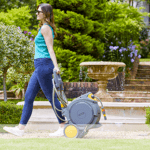
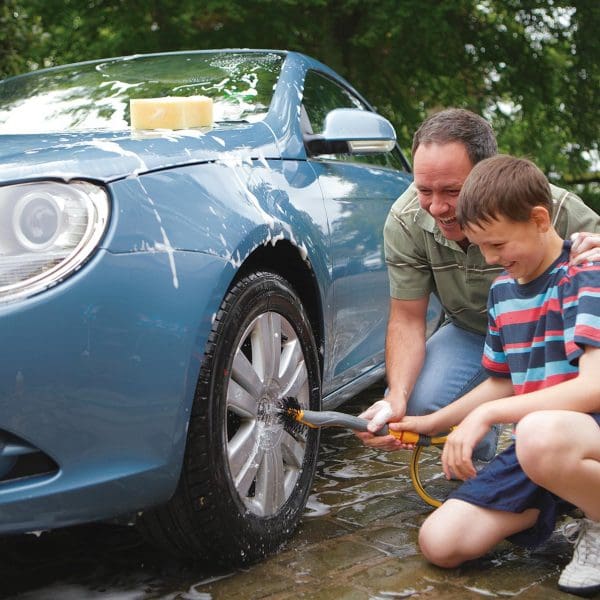
Watering Can or Lightweight Hose
A must-have for keeping plants hydrated.
Tip: For patio gardens or containers, a 5–10 litre watering can is ideal. For larger gardens, consider a hose with a spray gun.
If you want to make watering even easier, you can also look at:
- Hozelock hoses and connectors.
- Hozelock spray guns for gentle or targeted watering.
- Automatic watering timers (great for busy gardeners).
Watering Essentials: Keeping Plants Healthy and Hydrated
Watering is one of the most important parts of gardening — and beginners often underestimate how quickly soil can dry out, especially in pots or raised beds.
Here’s what you need:

Hose, Spray Gun, or Watering Can
Choose depending on the size of your garden:
- Small garden or balcony → Watering can.
- Medium–large garden → Hose + spray gun.
- Busy lifestyle → Watering timer + irrigation kit.

Hose Fittings & Connectors
To attach your hose to your outdoor tap securely.
Tip: Hozelock’s quick-connect systems make watering simple and leak-free.

Optional but Useful: Automatic Watering Systems
Perfect for beginners who want:
- Consistent watering.
- Healthier plants.
- Less time spent carrying watering cans.
Automatic systems include:
- Drip irrigation for borders.
- Micro irrigation for pots and containers.
- Soaker hoses for hedges and long beds.
- Controllers for scheduled watering.
This is one of the simplest ways to guarantee success as a new gardener.


Soil & Compost: The Foundation of Healthy Plants
Your plants are only as healthy as the soil you grow them in. Good compost gives them nutrients, holds moisture, and provides structure.
- Multipurpose Compost – Perfect for seeds, containers, and general gardening. Look for peat-free compost — better for the environment and now widely available.
- Potting Soil (Optional) – Useful for repotting houseplants or large outdoor plants. Heavier and richer than standard compost.
- Topsoil (If You’re Planting in the Ground)- Helps build up or refresh garden beds.
- Soil Improvers (Optional) – If your soil is heavy clay or thin and sandy, consider:
- Composted bark.
- Well-rotted manure.
- Soil conditioner.
Good soil makes everything easier — from watering to root growth.
Containers, Pots & Growbags: Start Growing Anywhere
You don’t need a big garden to start growing. Pots and containers are perfect for beginners because they’re versatile, tidy, and easy to manage.
- Plant Pots (Large and Small) – Ideal for herbs, flowers, tomatoes, peppers, or decorative plants. Choose pots with drainage holes.
- Hanging Baskets – Perfect for small spaces, patios, and balconies.
- Growbags – One of the easiest ways for beginners to grow:
- Tomatoes
- Chillies
- Cucumbers
- Strawberries
- Herbs
- Planters or Raised Beds (Optional) – Great for gardeners who want to try growing vegetables or flowers in a tidy, organised space.

Seeds, Seedlings & Starter Plants: What to Grow First
For beginners, start with plants that are:
- Easy.
- Fast-growing.
- Hard to kill.
- Rewarding.

Beginner-Friendly Flowers
- Marigolds
- Sunflowers
- Sweet peas
- Nasturtiums
- Cosmos

Easy-to-Grow Vegetables
- Salad leaves
- Radishes
- Peas
- Beans
- Courgettes
- Potatoes (in bags)

New Gardener-Friendly Herbs
- Basil
- Mint (keep it in a pot!)
- Rosemary
- Chives
- Parsley
- Thyme
Starter Plants vs Seeds
Seeds are cheaper and rewarding but take time.
Starter plants (plug plants or small garden centre pots) are perfect for beginners because they get you growing immediately.

Fertilisers & Plant Food: Simple Feeding for Big Results
Healthy, well-fed plants grow faster, stronger, and produce more flowers or fruit.
- All-Purpose Liquid Fertiliser – Useful for herbs, flowers, vegetables, and houseplants. Apply weekly or fortnightly.
- Slow-Release Pellets – Great for busy beginners — feed the plant for months at a time.
- Tomato Feed – For growbags, tomatoes, peppers, and flowering plants.
- Natural & Organic Fertilisers – If you prefer chemical-free gardening, choose:
- Seaweed extract.
- Compost tea.
- Organic plant food.
Optional tools that make feeding easier:
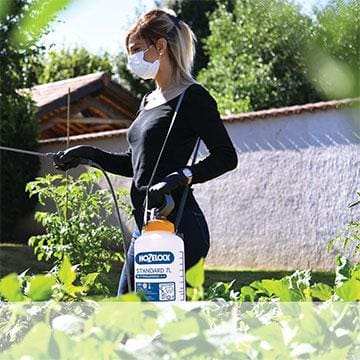
- Hozelock Pressure Sprayers for foliar feeding.
- Hozelock Pure Sprayers for natural fertilisers.
Weed Control: Staying Ahead of the Garden Invaders
Weeds happen. But as a beginner, you can stay on top of them easily with a few essentials.
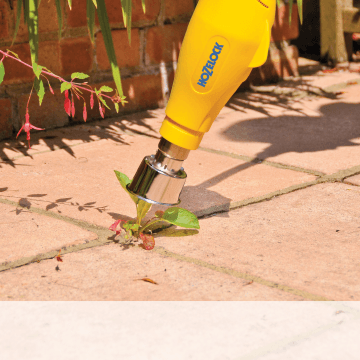
- Hand Weeder or Patio Knife – Removes weeds from borders, patios, and paths.
- Mulch (Highly Recommended) – A layer of bark, compost, or pebbles helps:
- Reduce weeds.
- Lock in moisture.
- Improve soil health.
- Keep plants healthy.
- Weed Control Fabric (Optional) – Useful under gravel or raised beds.
- Sprayer (Optional but Helpful) – For applying natural or organic weed treatments.
If you want eco-friendly weed control, look for:
- Hozelock Pure Sprayer.
- Hozelock Biomix (for creating your own natural plant mixes).
Both allow you to treat plants or weeds without harsh chemicals.

Protection & Support: Helping Your Plants Grow Strong
Many plants need support or protection from wind, pests, or hungry wildlife.
- Bamboo Canes – To support tomatoes, beans, flowers, and young trees.
- Plant Ties – Soft ties or Velcro strips to secure stems gently.
- Netting or Fleece – Protects vegetable crops from birds and frost.
- Slug Protection – Beginners often struggle with slugs — they LOVE young plants. Choose one of the following:
- Copper tape.
- Wool pellets.
- Beer traps.
- Wildlife-friendly pellets.
Gardening Clothing & Accessories: Stay Comfortable Outdoors
You don’t need expensive gear, but a few basics help make gardening more enjoyable.
- Comfortable Gardening Gloves – To protect your hands.
- Knee Pads or Kneeling Mat – Saves your knees when planting or weeding.
- Sun Hat / Cap – Gardening can surprise you — suddenly it’s been an hour in the sun!
- Boots or Old Shoes – Something waterproof is ideal.
- A Garden Trug or Basket – For collecting weeds, cuttings, or harvested veg.


Optional Extras That Make Gardening Easier (But Aren’t Essential)
These aren’t must-haves, but they can make life easier as you grow in confidence.
- Water Butt – Collect free rainwater for plants.
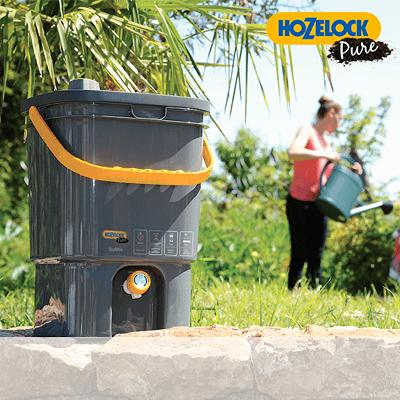
- Compost Bin – Turn kitchen scraps into nutrient-rich compost.
- Greenhouse or Mini Greenhouse – Extends your growing season.
- Pressure Sprayer – Great for feeding, watering delicate seedlings, or natural pest treatments.
- Raised Beds – Perfect for organised vegetable growing.
Beginner Gardening Shopping Checklist (Quick Summary)

Essentials
- Trowel.
- Hand fork.
- Secateurs.
- Gardening gloves.
- Watering can or hose + connectors.
- Multipurpose compost.
- Plant pots.
- Seeds or starter plants.

Highly Recommended
- Spray gun or nozzle.
- Soil for beds or planters.
- Slow-release fertiliser.
- Growbags.
- Bamboo canes.
- Kneeling mat.
- Mulch.

Optional Extras
- Automatic watering system.
- Water butt.
- Mini greenhouse.
- Compost bin.
- Pressure sprayer.
Gardening doesn’t require a huge budget or a perfect garden. It simply requires a few basic tools, a bit of patience, and the willingness to get your hands in the soil.
This beginner-friendly gardening shopping list gives you all the essentials you need to start growing — whether you dream of a colourful flower bed, a herb-filled patio, or your own home-grown tomatoes.