
A Guide to Seed Saving: Sustainable Gardening Starts with the Seeds

In an age of rising costs and growing climate concerns, many gardeners are looking for simple ways to make their hobby more sustainable. One of the easiest and most rewarding places to start is right at the heart of the garden—the seeds.
Seed saving is a timeless gardening practice that allows you to collect, store, and regrow seeds from your own plants year after year. It’s a sustainable, cost-effective, and empowering way to create a resilient, self-sufficient garden.
Whether you’re a complete beginner or a seasoned grower, this guide will walk you through the why, what, and how of seed saving, along with expert tips to ensure success.

What Is Seed Saving?
Seed saving is the process of collecting seeds from mature plants and storing them for future planting. Gardeners have been doing this for thousands of years, long before seed packets became readily available.
By learning how to save seeds from your own crops, you reduce dependence on commercial seed suppliers, preserve heirloom varieties, and gain a deeper connection to the natural lifecycle of your plants.
Why Seed Saving Matters
- It’s More Sustainable: Seed saving is one of the most environmentally friendly gardening practices. It reduces packaging waste, transportation emissions, and reliance on industrial seed production.
- It Saves Money: Instead of buying new seeds every season, you can build your own personal seed bank at no extra cost. Over time, you may never need to purchase seeds again.
- It Encourages Biodiversity: Many commercially available seeds are bred for uniformity, not diversity. By saving seeds—especially from open-pollinated and heirloom varieties—you help preserve unique traits and increase biodiversity in your local ecosystem.
- Plants Adapt to Your Garden: Seeds saved from your garden are naturally better suited to your soil, climate, and growing conditions. Over time, you’ll develop plants that thrive in your specific environment.
- It’s Empowering: There’s something incredibly satisfying about growing a plant from seed, watching it flourish, and then harvesting seeds from that same plant. It’s full-circle gardening.

Best Plants for Seed Saving (Especially for Beginners)
Not all seeds are created equal when it comes to saving. Some plants are easier to start with than others, especially for first-time seed savers.
Here are the top beginner-friendly plants for seed saving:
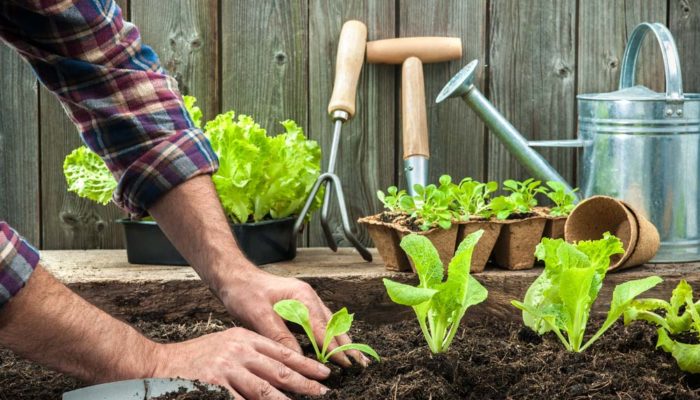
Lettuce
- Self-pollinating and low-maintenance.
- Let it bolt (flower) and collect seeds from the fluffy seed heads.

Tomatoes
- Save seeds from fully ripe, healthy tomatoes.
- Needs a simple fermentation process but easy to master.
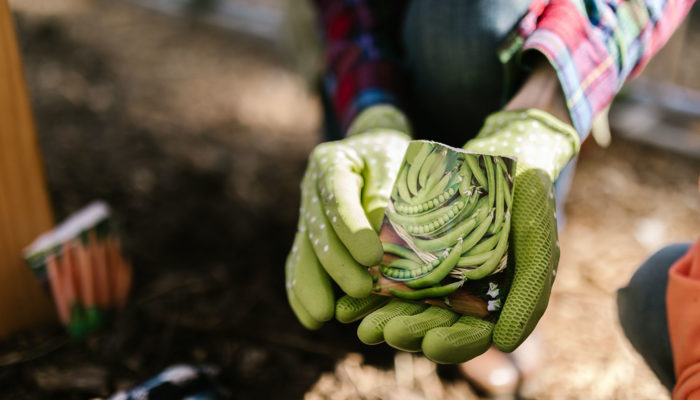
Peas and Beans
- Super simple—let pods dry on the plant, then shell and store.

Chillies and Peppers
- Collect seeds from ripe fruits, dry them on a paper towel, and store.

Sunflowers
- Let flower heads dry on the stem or indoors, then pluck the seeds out.

Marigolds
- Once flower heads dry and turn brown, remove and crumble them to find the seeds.
Seed Saving 101: The Basic Steps
Follow these simple steps to begin saving seeds successfully:
Start with healthy, disease-free plants that have performed well in your garden. The goal is to pass on strong genetic traits, so avoid saving seeds from weak or diseased plants.
Top tip: Use open-pollinated or heirloom varieties, not hybrids. Hybrid seeds (F1) often don’t produce true-to-type plants in the next generation.
Timing is everything. For the best germination rates, allow seeds to fully ripen on the plant before harvesting.
- For fruits and vegetables like tomatoes or chillies, this means waiting until they are fully ripe and starting to soften.
- For pods and flowers, let them dry out and turn brown on the plant if possible.
Once the seed is mature, it’s time to collect.
- Use clean, dry hands or scissors.
- Shake or crumble dried seed heads over a tray or paper to collect small seeds.
- Slice fruit open and scoop out seeds with a spoon.
Clean seeds by removing any pulp, debris, or chaff. For fruits like tomatoes and cucumbers, a short fermentation process helps remove the gel coating and improves germination.
Fermentation steps for tomato seeds:
- Place seeds and pulp in a jar with a little water.
- Leave for 2–3 days until a mouldy film appears.
- Rinse thoroughly and dry on a paper towel.
Proper drying is crucial to prevent mould during storage.
- Spread seeds in a single layer on a paper towel, coffee filter, or fine mesh.
- Avoid heat or direct sunlight.
- Dry for 5–10 days in a cool, well-ventilated space.
Top Tip: Seeds should snap or shatter when bent—if they bend instead, they’re not fully dry yet.
Once dry, store seeds in labelled envelopes, paper packets, or airtight jars. Include the plant name and date collected.
For best results:
- Store in a cool, dark, dry place (e.g. cupboard, drawer, or airtight container in the fridge).
- Avoid plastic bags unless moisture-proofed with a desiccant.
With the right conditions, many seeds can last for several years!

Common Seed Saving Mistakes (And How to Avoid Them)
- Saving from hybrid plants – Hybrids don’t grow true to type; use open-pollinated seeds instead.
- Not letting seeds fully mature – Immature seeds may not germinate.
- Storing wet or damp seeds – This leads to mould and rot.
- Skipping labels – It’s easy to forget which seed is which over winter!
- Cross-pollination confusion – Some plants (like squash or corn) cross-pollinate easily. Grow one variety at a time or hand-pollinate if saving seeds.
Advanced Tips: Taking Seed Saving to the Next Level
Once you’ve mastered the basics, you can explore:
- Hand Pollination: Control which plants breed with which by manually transferring pollen with a brush or cotton swab.
- Seed Swapping: Join seed swap events or online communities to exchange rare or heirloom seeds with fellow gardeners.
- Start a Seed Library: Build a local seed library with friends or community groups to promote sustainable growing.
- Selective Breeding: Over seasons, you can save seeds from the most productive or disease-resistant plants to naturally develop your own elite varieties.

How Seed Saving Supports Sustainable Gardening
Seed saving is more than just a clever trick—it’s a cornerstone of sustainable gardening. Here’s how it supports long-term ecological health:
- Reduces reliance on commercial seed systems.
- Preserves traditional plant varieties and heritage seeds.
- Encourages low-input gardening (less packaging, less transport, fewer chemicals).
- Promotes food security and local resilience.
- Fosters deeper knowledge of natural lifecycles and pollination.
You don’t need to be an expert or have a large garden to start saving seeds. Even saving just one or two types of seeds this summer is a powerful step toward more sustainable, self-reliant gardening.
Start with something simple—like peas, sunflowers, or tomatoes—and experiment. With every season, you’ll grow in skill, confidence, and connection to your garden.
After all, every big change starts with a single seed.